Learning from incident investigations
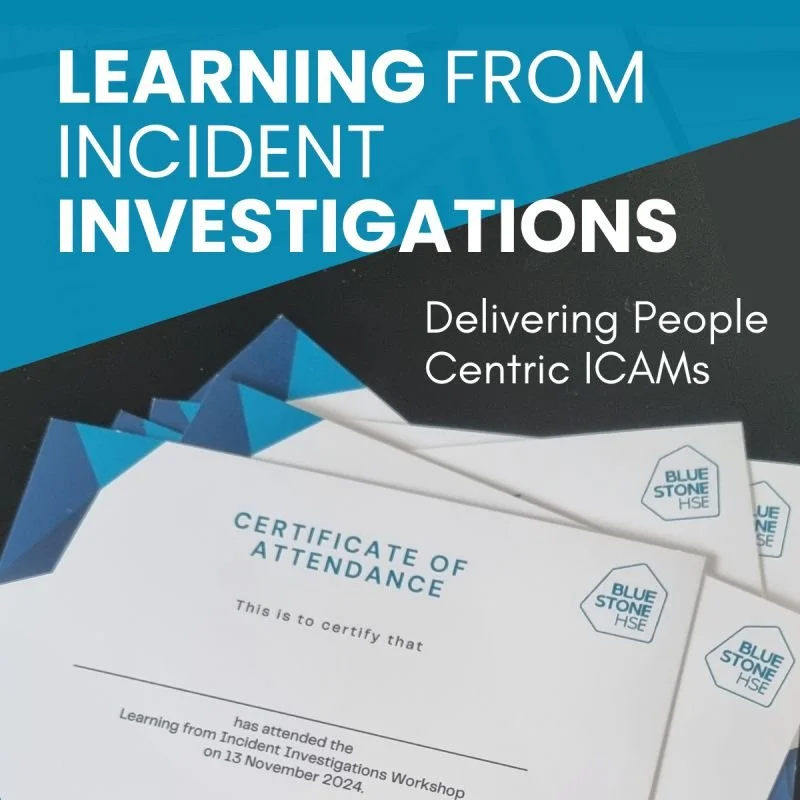
Last week I delivered a workshop for one of my construction clients on how to achieve meaningful learnings and sustainable change from safety and environmental incident investigations.
People Centric Approach
The focus of this workshop was to explore how we can apply more modern and progressive concepts, such as a people centric approach, incorporating a no blame culture and using conversations rather than witness statements, to traditional approaches to investigation such as the Incident Cause Analysis Method (ICAM).
Attendees
The 14 participants included a diverse group, including the CEO, engineers, the safety manager, and frontline supervisors which resulted in some great discussions.
More Progressive ICAM
The content of the workshop explored how to respond to an incident if you are first on scene, as well as how to ensure the scene is not disturbed. We covered each step of the ICAM process, but included how to apply new approaches to each phase.
Better Conversations
For example, we spent a chunk of time on how to have better conversations with those involved in the incident. This included some role play and covered the use of various techniques to put the person at ease and get the best result from the conversation.
Incident Scenario
We supported the application of the skills discussed by following a realistic "mock" incident scenario relevant to the work the team conducts, from start to finish.
Sustainable Change
We finished the day by reflecting on how we can achieve lasting change across the business following an incident. We discussed focussing on fewer meaningful actions that deliver sustainable improvements, rather than a long list of administrative options.
Incident Learning Teams
While this client was focussed on further developing the ICAM process due to their own client's requirements, we also facilitate and conduct incident learning team workshops for those that are interested.