Designing and implementing Critical Risk Management across a state-wide port network
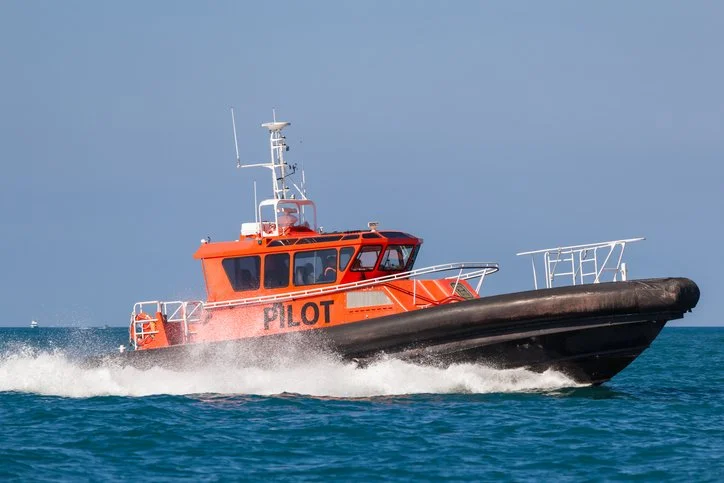
A state-wide ports organisation required a structured and consistent approach to managing its most significant risks across both landside and marine port operations, recognising the diversity of operating environments and risk exposures across its port network.
The engagement commenced with preliminary workshops involving senior leaders from across the business to establish alignment on objectives, vision, and expectations for the critical risk management program, as well as to address the change management considerations associated with implementation. A discovery phase followed, involving site visits to multiple operational ports to understand organisational context, local operating conditions, and variability in risk profiles across the business.
Implementation of the program included an initial peer-based assessment to inform likely critical risks and controls for more typical landside operations. All marine-related risks were addressed through facilitated bowtie risk diagram workshops to map causal pathways and consequences, identify existing preventative and mitigative controls, and agree critical controls. These workshops brought together multi-disciplinary participants, including executives, subject matter experts, frontline supervisors, operational personnel, and specialist roles such as marine pilots where relevant.
A suite of 12 critical risks was developed and delivered in parallel, requiring the facilitation of intensive workshops over a compressed timeframe. To support sustainability, the critical risk management system was reinforced through updates to the existing HSE management system mobile application, including the introduction of a critical control verification module. Supporting assets, such as critical risk posters and targeted training, were also developed and rolled out as part of the program launch, strengthening frontline understanding and ongoing verification of critical controls.